A narrow climb. A wider way back.
Mount Fay’s structure changes around its summit reward. The ascent constrains the player through traversal demands and the threat of freezing. The Faydown Cloak then grants a double jump and removes the immediate frost pressure, making the return journey a different kind of space.
I describe this as a diamond-shaped flow: a focused ascent opens into optional exploration, with later abilities giving further reasons to return.
- 01
Prepare at shelter
Map, rest, and establish the warmth–cold contrast.
- 02
Commit to the ascent
Link movement techniques between pockets of heat.
- 03
Reach the summit
A ritual resolves the climb and grants the cloak.
- 04
Explore the descent
Double jump and relief from frost open optional routes.
- 05
Return with new abilities
Later progression makes previously visible opportunities reachable.
Schematic route sequence, not a geographical map.
Cold gives movement a deadline.
The cold turns a platforming sequence into a time-sensitive route. Leaving warmth starts a limited safe window. Heat sources reset that pressure, so reaching the next shelter becomes a local objective the player can read and act on.
Clawline is both an access requirement and a tool for moving efficiently. Grapple points, wall jumps, and pogo opportunities become part of a route’s time budget. Some enemies also function as movement opportunities, giving their placement a role beyond combat.
The challenge therefore tests more than execution. It asks the player to recognize the fastest usable sequence, commit to it, and recover when that sequence breaks.
A flame is a pause. A bench is security.
Heat source → heat source
The short loop. Warmth resets the immediate environmental threat and gives a moment to read the next jump.
Bench → bench
The long loop. Checkpoints determine how much progress is at risk and where the player can make a more complete reset.
These systems create different depths of relief. A player can be safe from freezing without feeling safe from losing progress. The ascent stays tense because the two forms of safety do not always arrive together.
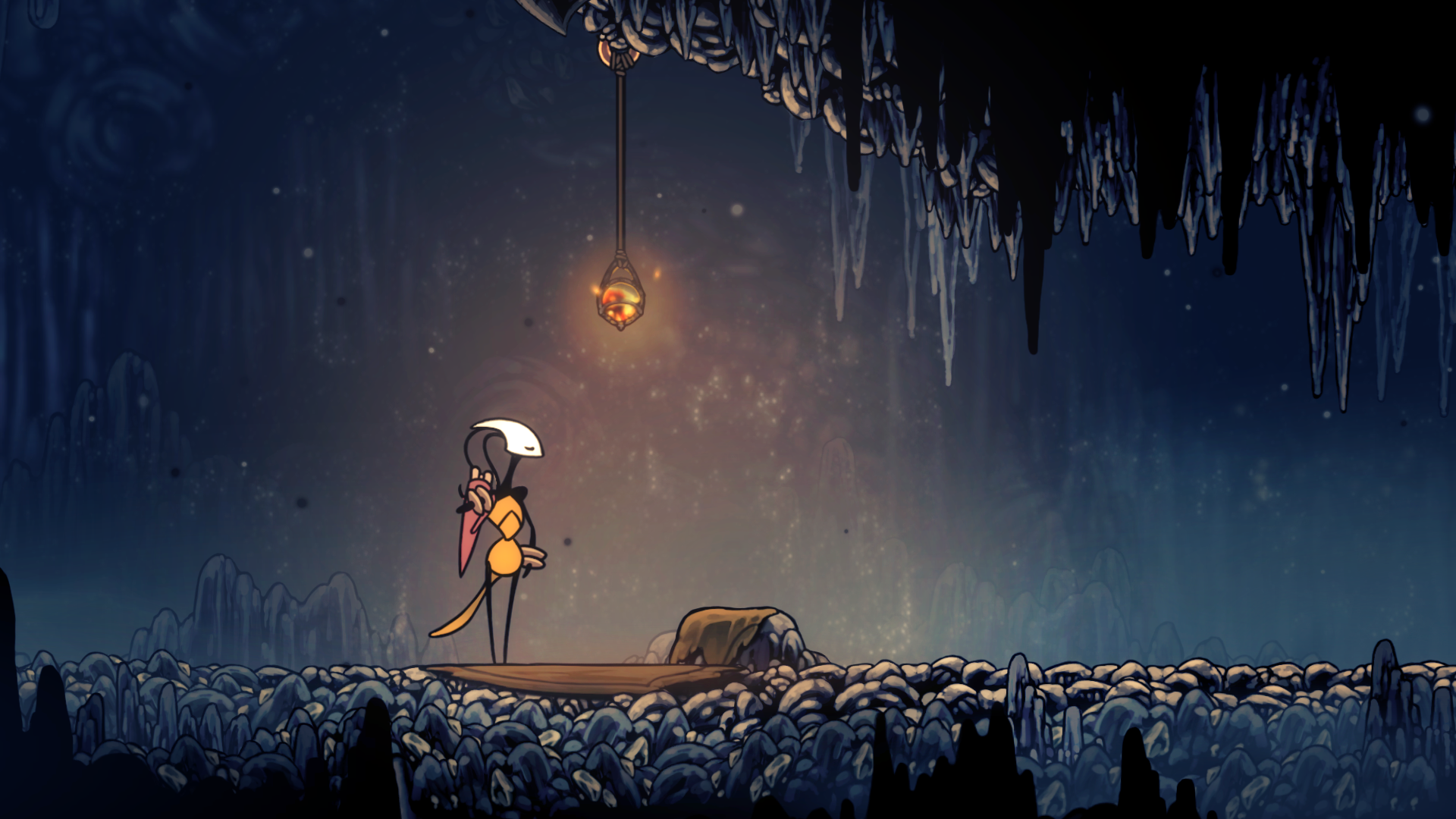
Compression makes the opening matter.
The climb alternates between compact shelters, demanding vertical movement, and a brief horizontal respite. The upper ascent tightens the movement requirements and asks the player to combine familiar techniques under greater pressure.
The summit then opens the view. Its value comes partly from that contrast: after navigating restrictive passages and urgent movement, the player is given space to look outward.
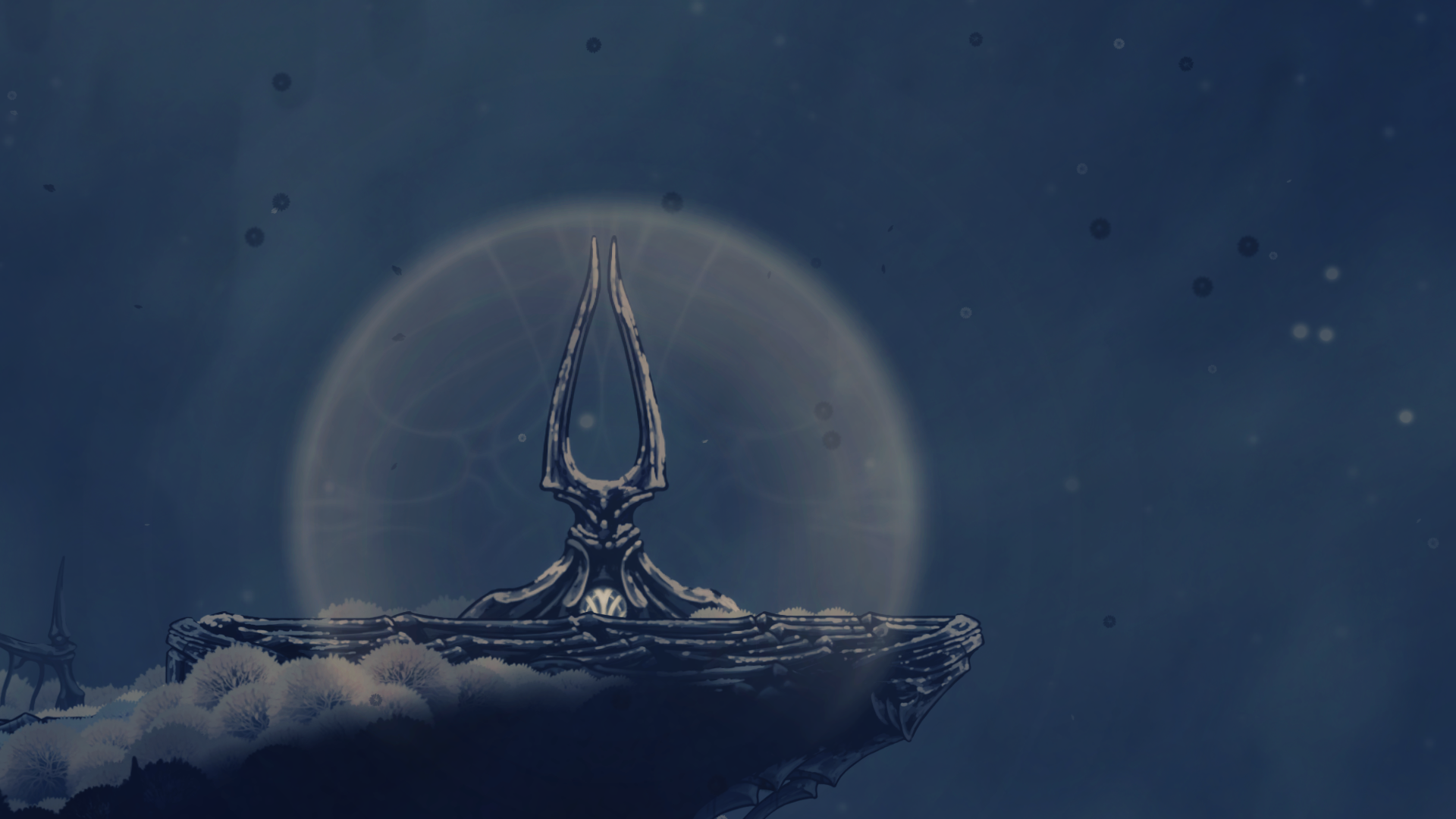
The reward changes both what the player can do and how the mountain feels.
The descent is not simply the ascent reversed. New mobility and reduced environmental pressure let the player approach side routes with more curiosity and less urgency.
Warmth carries an instruction.
Cold blue, gray, and white establish the mountain’s environmental threat. Orange light identifies warmth against that field. The color contrast communicates a practical destination before the player needs a text explanation.
Freezing feedback brings the environment into the interface: cold flashes, ice near the screen edges, and changes to the health display make the threat harder to ignore. The encroaching frame also makes the visible play space feel more restrictive.
What interests me is how atmosphere and readability reinforce each other. The warm pocket feels welcoming because it is safe, and it is easy to read because the surrounding space feels hostile.
The climb becomes a ritual.
The mountain is framed as a trial connected to the Weavers and a being at the summit. The ascent makes that story physical: the player has to perform the effort rather than only hear about it.
Playing the summit tuning fork with the Needolin brings the encounter with Fayforn and the cloak reward. The ritual gives a narrative conclusion to the movement challenge; the ability reward then changes the player’s relationship with the level.
Details such as an abandoned cable car suggest a history of passage through the mountain. The region’s crystal creatures also echo in its item design, allowing a memory of the place to continue beyond the visit.
Make progression reframe a familiar space.
- Put safety on more than one timescale. A local reset can encourage movement without removing the larger risk.
- Use art direction as navigation. A warm–cold contrast can carry emotional atmosphere and gameplay information at once.
- Place openness after pressure. The summit feels expansive because the climb has taught the player to feel constrained.
- Let an ability alter the return journey. A reward is more meaningful when players immediately experience how it changes a known place.
English adaptation of my May 2026 level breakdown. Route descriptions and interpretations reflect the original study.
Read the original study in Notion